Gōjū-Ryū Karate Training in Daisen: Adapting Venues and Cultural Traditions
Flexibility is a core tenet of martial arts, and training in Japan often requires adapting to local schedules. Today, the Omagari Municipal Gymnasium was requisitioned for local elections. As a result, we relocated our training session to the Kamioka Gymnasium, situated within the Kamioka Agricultural Development Centre (大仙市神岡農村環境改善センター) in Daisen City.

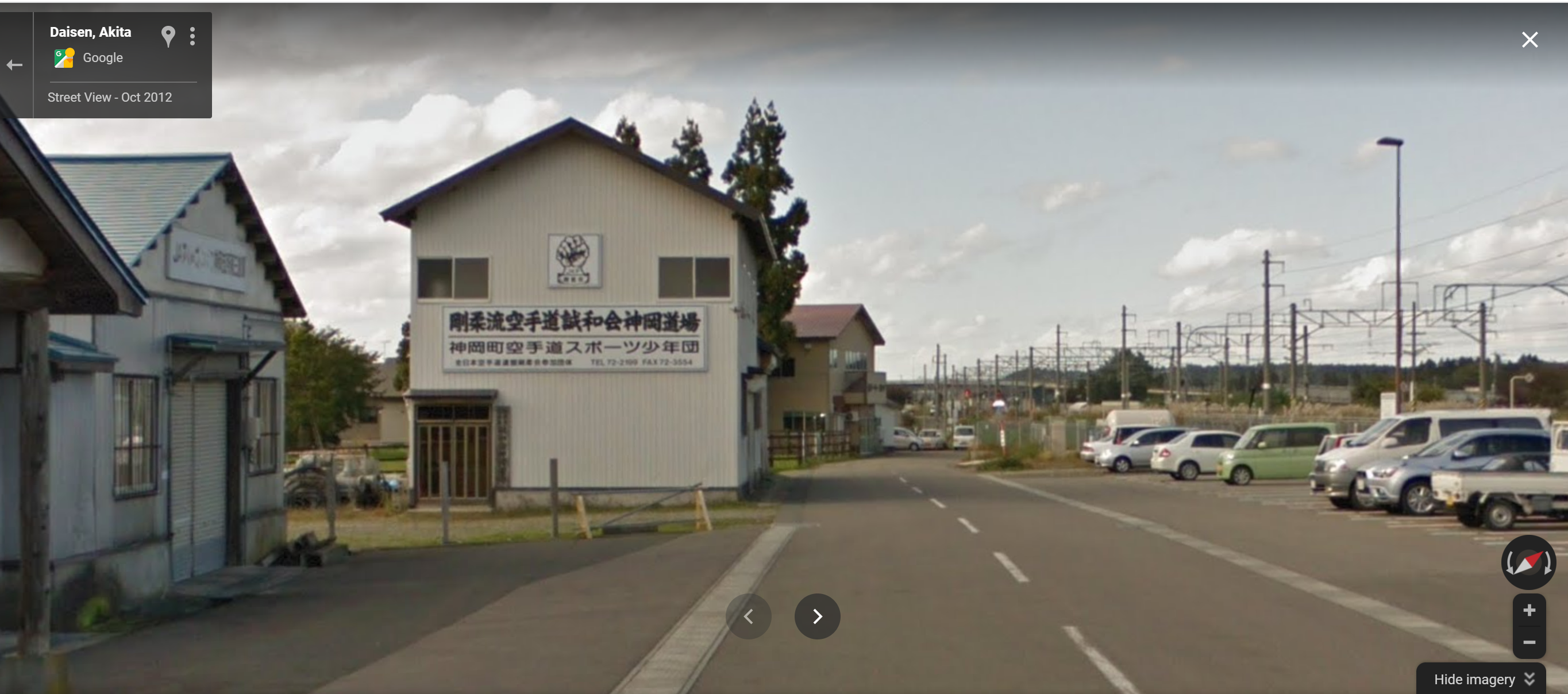
The facility is highly accessible, requiring only a brief 15 to 20-minute walk from the Kamioka Road Station (Jinguji train station). This route is particularly notable for our organization, as the station is located just across the street from the personal dojo of our Seiwakai Vice President, Takahashi Satoru.
Sharing Knowledge Between Training Sessions
Rigorous physical training must always be balanced with academic study.

During a brief intermission on the floor today, it was an incredibly rewarding experience to see fellow Seiwakai members in Japan actively reviewing the Gōjū-Ryū Karate-Dō Desk Reference. Seeing my research utilized by dedicated practitioners locally in Japan is a great reminder of the global connection we share through the study of this art.
Post-Training Camaraderie and Japanese Hospitality
Following a demanding day on the tatami, the group gathered for a well-earned, traditional yakitori dinner. Dining with fellow karateka is an essential part of the cultural experience. Culinary fads in Japan come and go, but some evolve into lasting traditions.
Years ago, it became popular for establishments to serve sake in an overflowing cup placed inside a masu (a square wooden box) or on a small plate. This presentation, meant to symbolize hospitality and generosity, has transitioned from a unique trend into an expected, welcoming staple of a traditional sit-down meal in the region.

Discover more from SEIWAKAI KARATE SILICON VALLEY
Subscribe to get the latest posts sent to your email.
